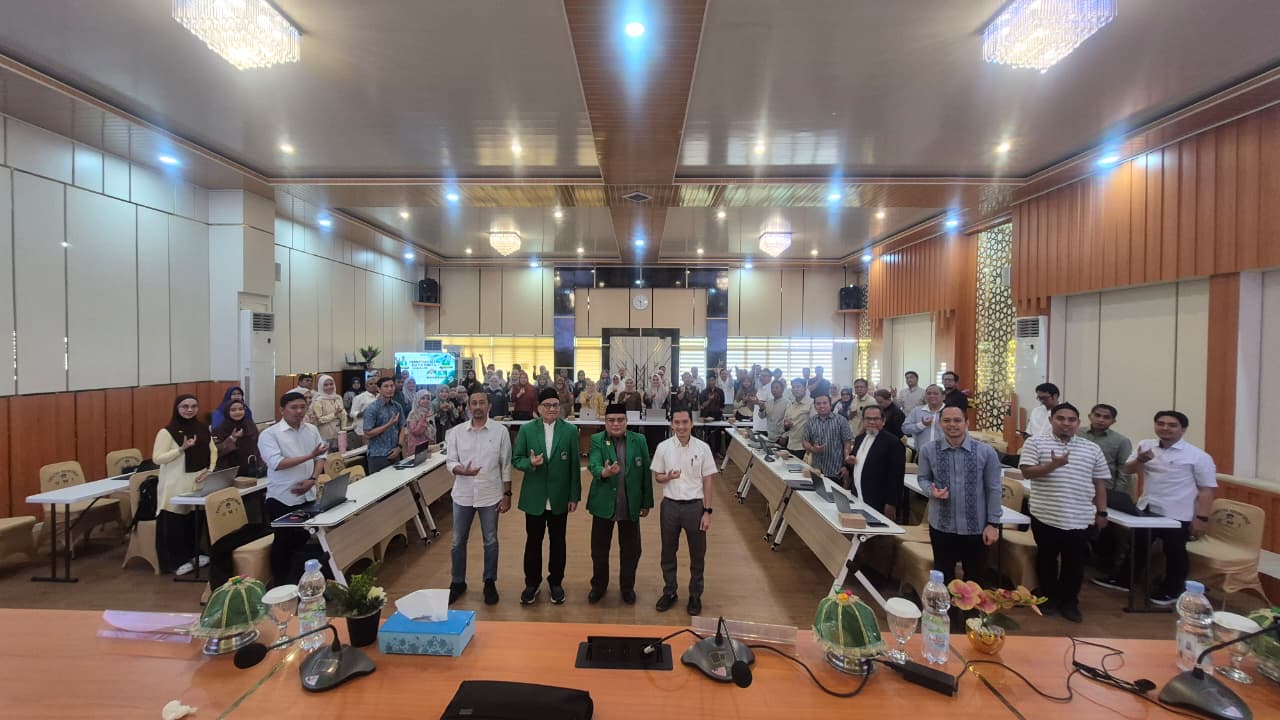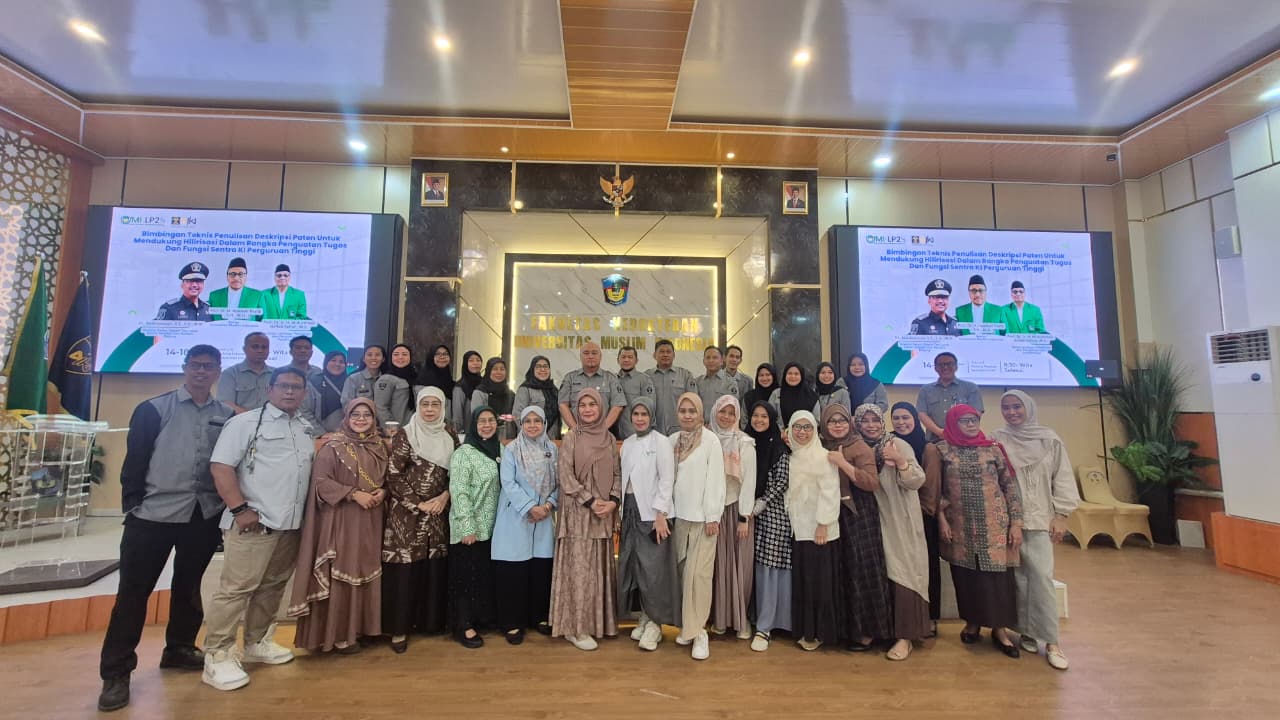
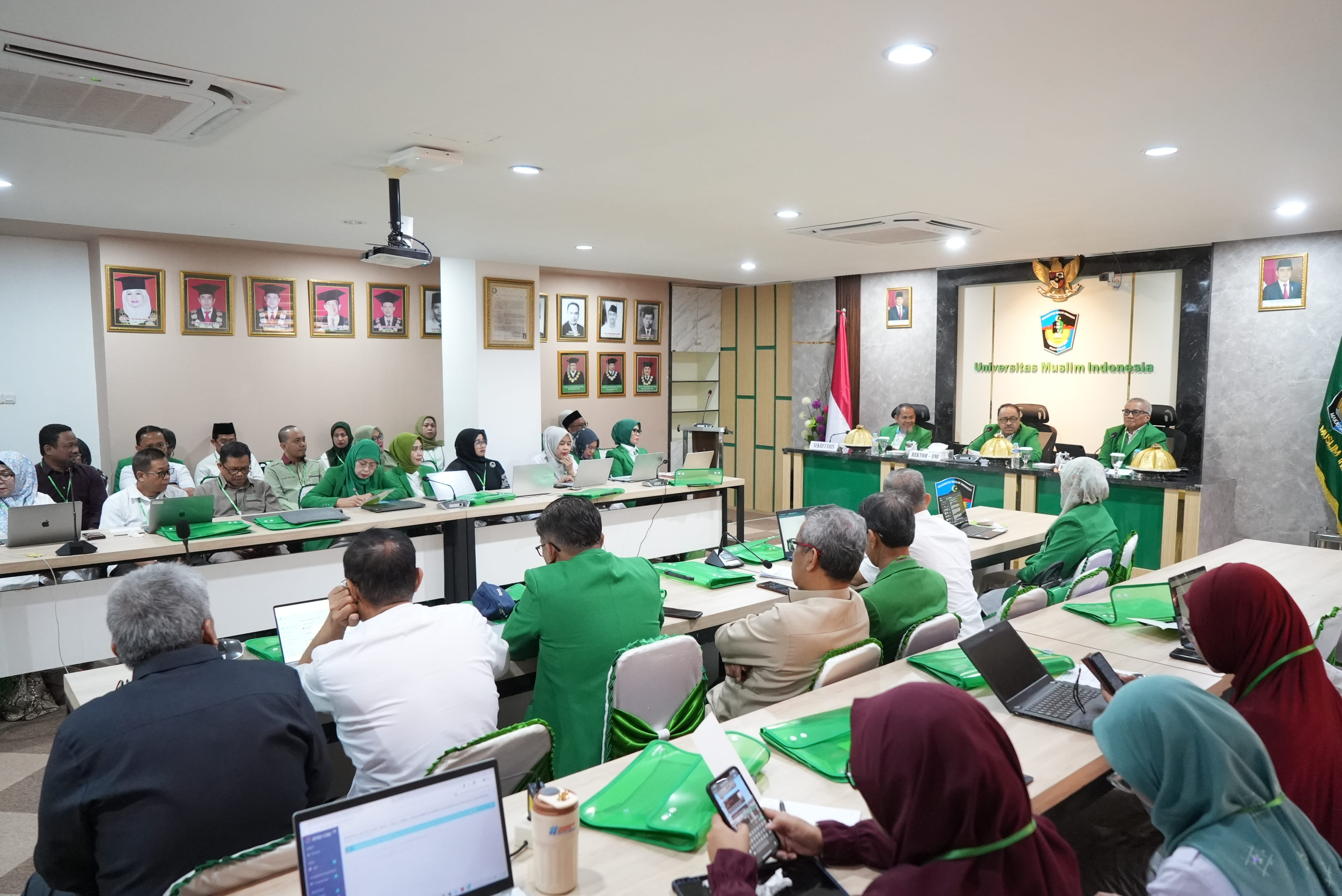
One of the speakers who attended the forum was Prof. Yusring Sanusi Baso, Head of the Center for Educational Studies and Development LPMPP Hasanuddin University (UNHAS). In his presentation, Prof. Yusring raised the theme "Increasing Pedagogical Capacity and Updating PEKERTI/AA Materials", by outlining the development of policies and guidelines for implementing the PEKERTI and Applied Approach (AA) Program in 2026. The PEKERTI/AA Program is placed in the context of higher education transformation, including developments in digital technology, AI, big data, LMS and MOOC, as well as the shift towards student-centred learning. This program is aimed at improving the quality of learning while encouraging lecturer professionalism and readiness to implement innovative learning. This presentation also provides an overview of changes in the PEKERTI/AA implementation model.
Learning is carried out through a blended learning model, with online learning through MOOCs and offline guidance and practice at the organizing universities. For PEKERTI, online learning lasts 42 hours of training and 63 hours of offline activities; while AA consists of 41 hours of online training and 49 hours of offline training. Updating materials is also an important part. The PEKERTI curriculum includes, among others, OBE, learning theories and strategies, assessment and evaluation, innovative learning media, RPS, team teaching, and micro teaching. Meanwhile, AA material includes curriculum development, research-based research, innovative learning, digital learning media including VR/AI, international publications, as well as data literacy and bibliometric analysis.
For UMI, this presentation has direct relevance to strengthening the P3AI (Instructional Activity Improvement Development Center) under LP2S, especially in the development and implementation of PEKERTI and AA. Organizing universities are required to have instructors who meet the requirements, academic and HR development units, SPMI, guidelines and SOPs, curriculum according to standards, and adequate ICT facilities. Furthermore, the implementation of PEKERTI/AA is not only related to the implementation of training, but also to quality assurance, lecturer professionalism and careers, technology-based learning transformation, OBE implementation, and improving the quality of higher education. In the context of preparing the 2026–2031 UMI LP2S Renop, this material is an important input so that the lecturer capacity development program does not stop at fulfilling training obligations, but is directed at real improvement in the quality of learning and lecturer professionalism. Thus, PEKERTI and AA need to be viewed not just as certification or training programs, but as strategic instruments to build the capacity of UMI lecturers in facing changes in higher education and learning technology. "Future lecturers are not only required to master the material, but also be able to design learning experiences that are innovative, adaptive, technology-based and oriented towards learning outcomes." It is hoped that this forum will become a stepping stone for LP2S UMI in formulating a P3AI program that is increasingly relevant, high quality and has an impact on improving the quality of learning at UMI.