From Laboratory to Downstream: New Directions for UMI Prototype Research

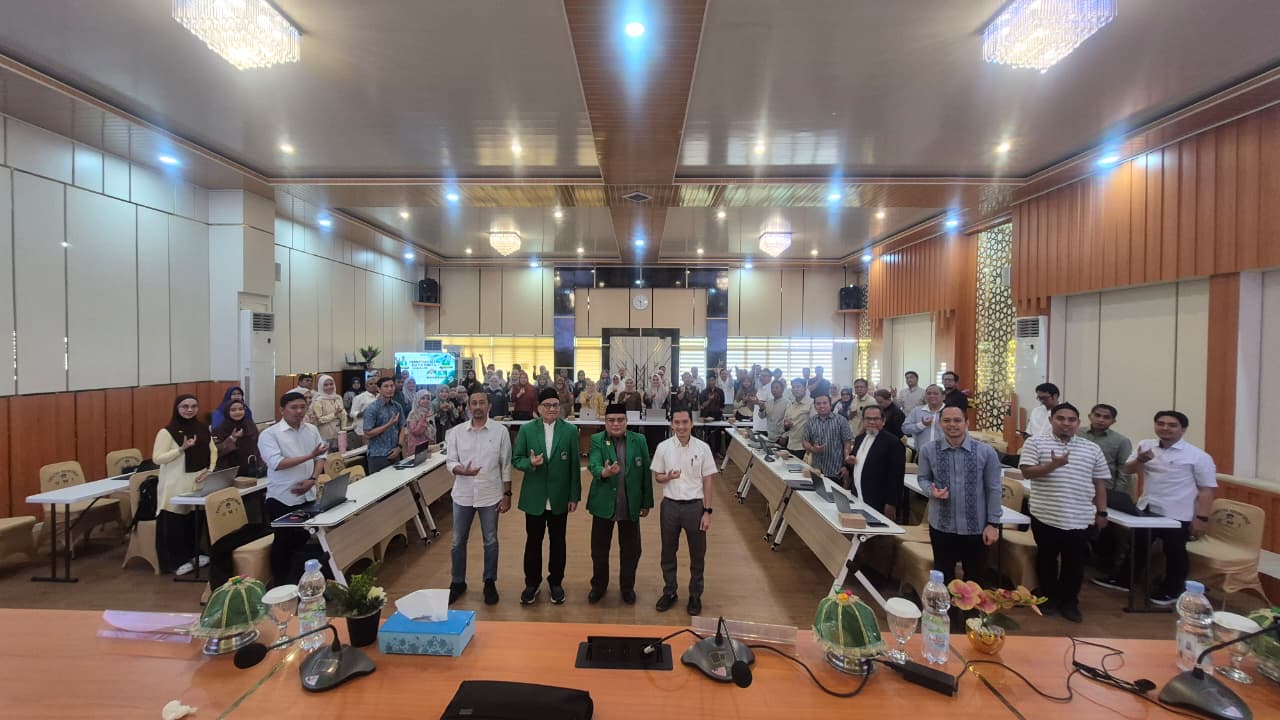
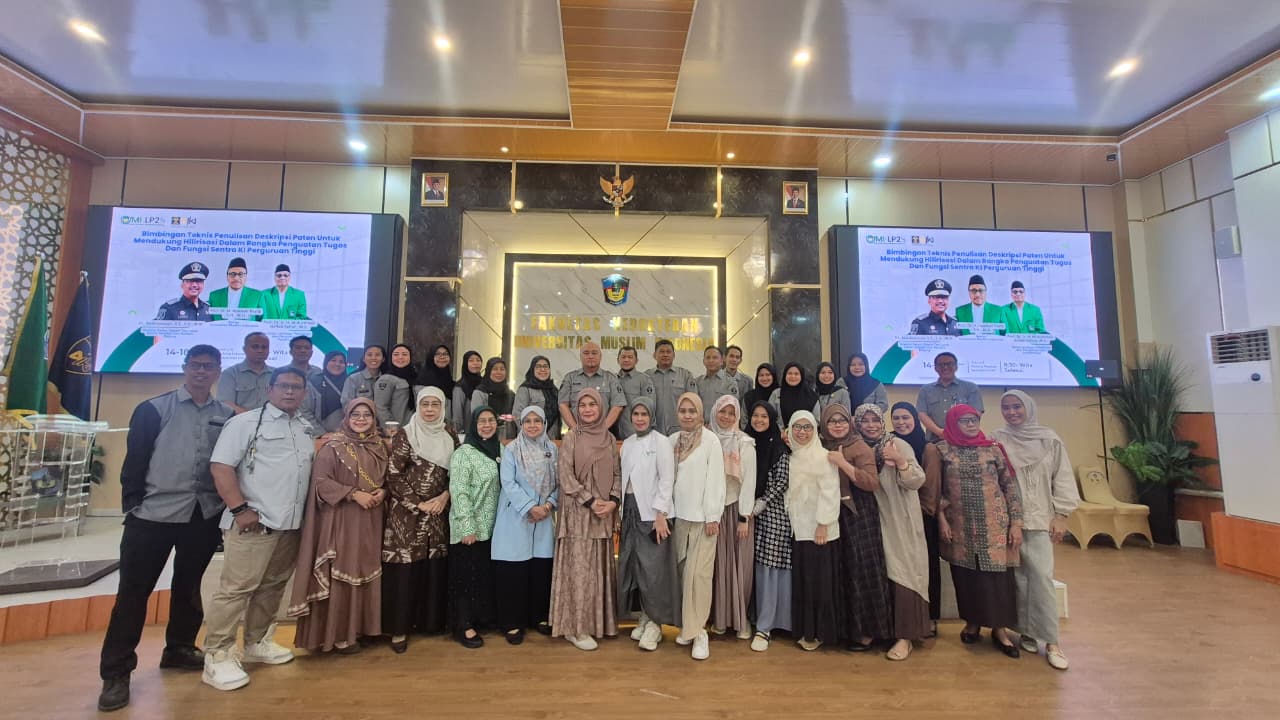
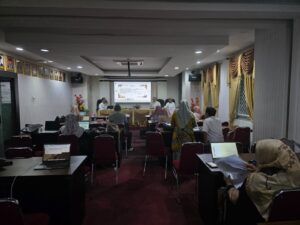
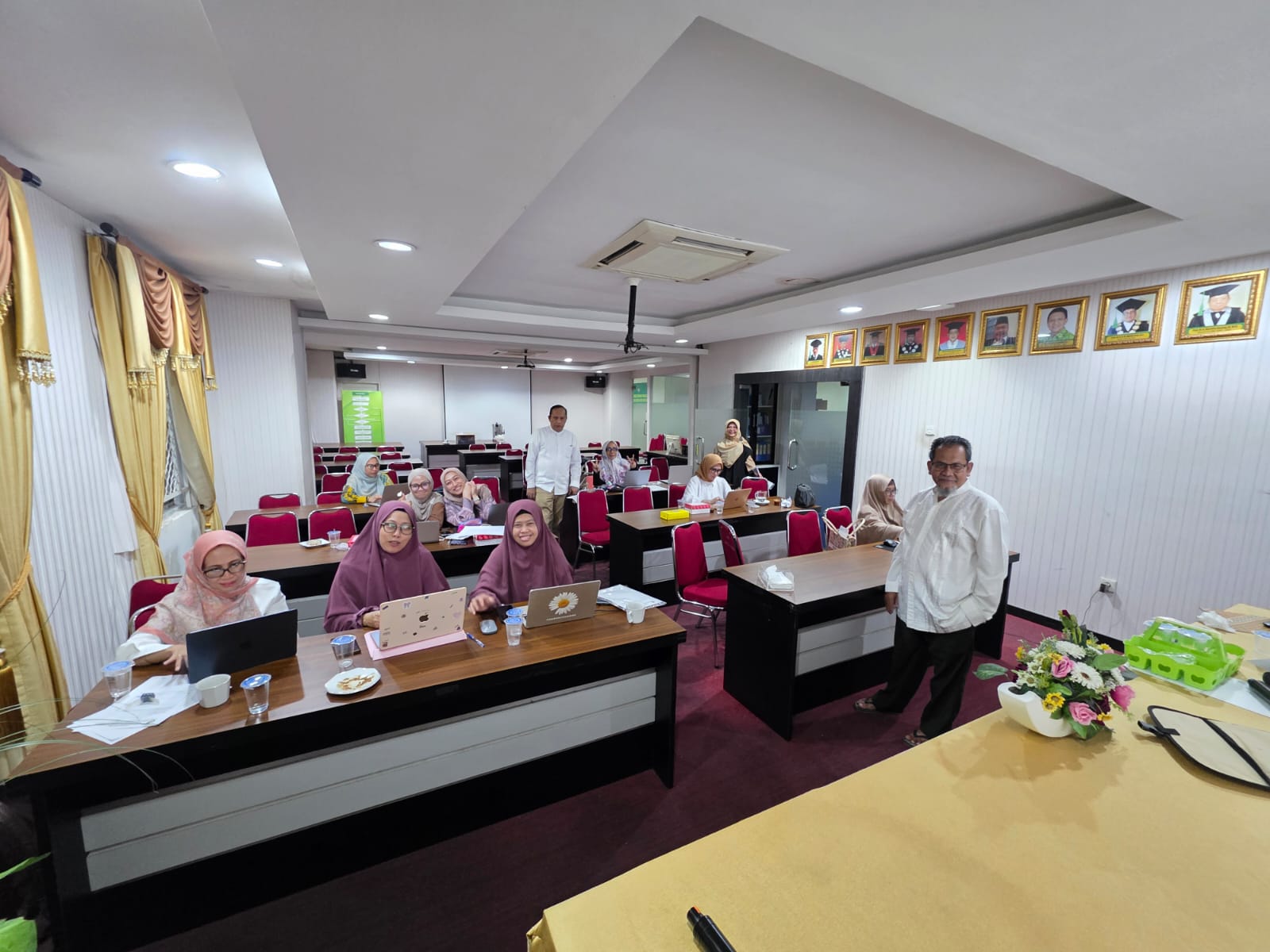
The success of Indonesian Muslim University (UMI) lecturers in getting 305 regular research titles through BIMA is an important sign that the research culture on this campus continues to move in a more mature and structured direction. This achievement is not just an administrative figure, but a reflection of the increasing capacity of lecturers in responding to the national research agenda which increasingly demands real relevance and impact. This momentum was immediately followed up by LP2S UMI through the 2026 Priority Research Downstream Program Proposal Clinic - Model and Prototype Testing. The high interest reflects the readiness of UMI lecturers to enter top research classes with a Technology Readiness Level (TKT) range of 5–8. This proposal clinic was accompanied directly by the Head of LP2S UMI, Prof. Baharuddin, together with LP2S Secretary Prof. A. Aladin and Head of the Research Center Prof. A. Asrina and head of HKI, Dr. Nurmiati. The direct presence of the head of the institution is not only ceremonial, but is a form of leadership by example in monitoring the quality of proposals. In fact, the Head of LP2S remained with him until just before sunset
ensure the process of signing and finalizing proposal documents runs optimally. In clinic sessions, participants not only receive motivational reinforcement, but also substantive assistance. The LP2S Secretary provided a detailed explanation regarding the joint format attached documents, crucial points at the administration desk, as well as substance evaluation assessment indicators. This approach is important so that the proposal does not just meet formal requirements, but is truly strong in terms of novelty, prototype testing logic, and downstream potential. Meanwhile, the Head of the Research Center and Head of IPR Center provides direct technical assistance to participants who need specific direction, especially in mapping the position of the initial prototype, testing strategy, and TKT increase targets. This clinic is a space for open dialogue between policies, research techniques and the field realities faced by lecturers. Interestingly, the LP2S leadership, chairman/secretary together with the Head of the Research Center and the Head of the KI Center, were also recorded as having participated in preparing the prototype testing proposal, along with around 30 other UMI lecturers. This confirms that the research culture at UMI is built collectively, there is no distance between managers and researchers, and is based on real practice. The UMI LP2S leadership emphasizes the principle that research leadership must be built on real professionalism and example. Institutional leaders and heads of research centers should be directly involved in research activities, not just play an administrative role. How is it possible for mentoring to lecturers to take place optimally if the leadership does not experience the dynamics of the research being carried out for themselves? Many technical aspects, substantive challenges, and proposal management strategies can only be fully understood when leaders are directly involved, especially in national research funded by DIKTI. This principle is the foundation of LP2S UMI in building a credible, collaborative and quality-oriented research ecosystem. The research downstream program, especially model and prototype testing, demands different readiness than basic research. It demands data consistency, clarity of prototype design, measurable performance tests, and orientation to user and industry needs.
The proposal clinic conducted by LP2S UMI is an example of good practice in how universities do not let lecturers run alone, but are present as an active supporting ecosystem.
In line with the government's high level of support in the research sector, where the Directorate of Downstreaming at Dikti is preparing various downstream research schemes with funds reaching 2 billion, it is time for UMI lecturers to start preparing research towards real downstream research. In the future, UMI's success will not only be measured by the number of proposals that pass, but by how far the prototypes developed are able to penetrate the downstream phase, be utilized by society, and adopted by the business and industrial world. This proposal clinic is a strategic first step—affirming that UMI is ready to take on a large, impactful research agenda, with solid academic, institutional and leadership readiness.
INDONESIAN RESEARCH GREETINGS
GREETINGS UMI SUPERIOR
LP2S UMI